Imagine waking up to the rich aroma of freshly brewed espresso, perfectly crafted to your taste, all within the comfort of your own kitchen. For many coffee enthusiasts, the dream of becoming a home barista is a powerful one. However, navigating the vast world of home espresso machines can feel overwhelming, with countless models, features, and price points to consider. This comprehensive guide is designed to cut through the complexity, providing you with all the insights you need to confidently choose the best espresso machine that perfectly suits your lifestyle, skill level, and budget.
What is an Espresso Machine?
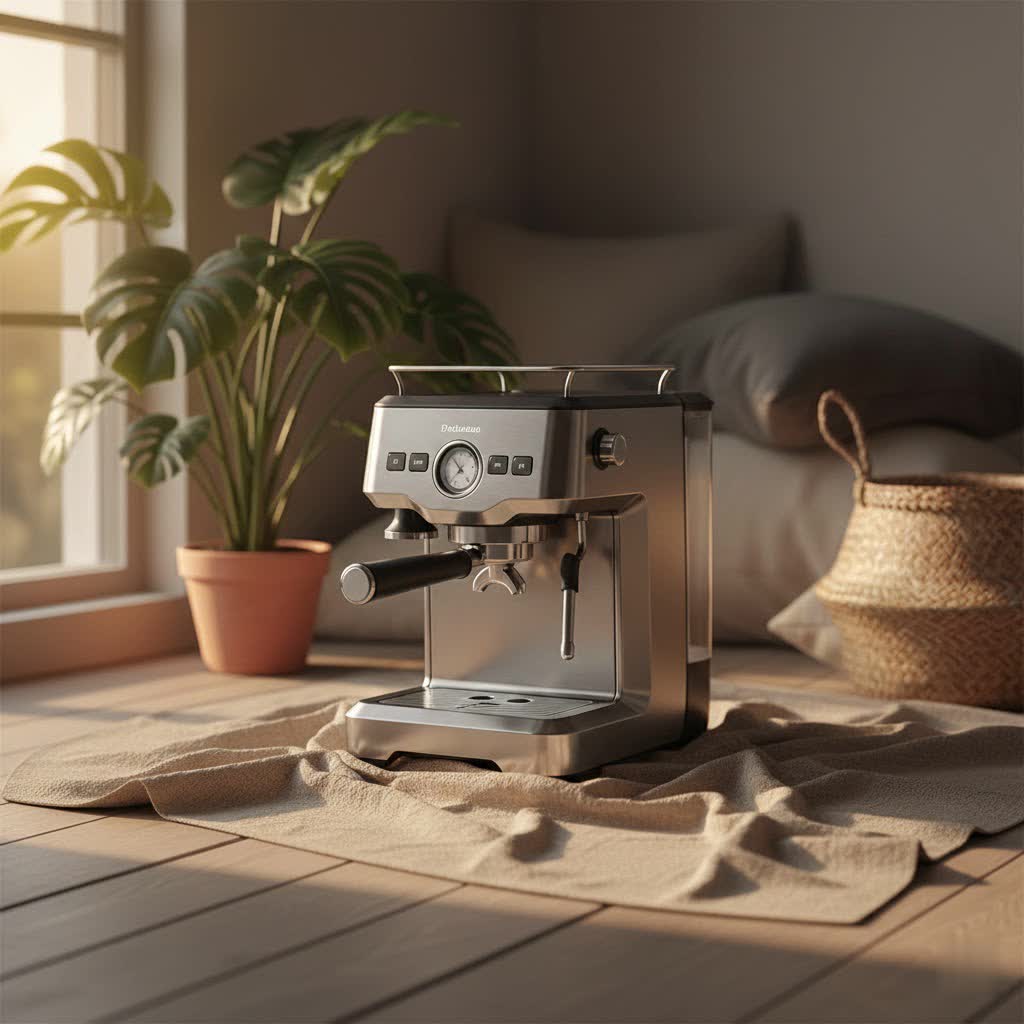
At its core, an espresso machine is a specialized device that forces hot, pressurized water through a compacted bed of finely ground coffee. This process extracts a concentrated, aromatic beverage known as espresso, characterized by its rich flavor and a layer of reddish-brown foam called crema.
The concept of espresso brewing originated in Italy in the early 20th century, evolving from steam-powered devices to the sophisticated pump-driven machines we see today. The goal has always been to produce a strong, flavorful coffee quickly.
Today, home espresso machines broadly fall into four main categories, each offering a distinct user experience and level of control:
- Manual Espresso Machines: These machines, often referred to as lever machines, require the user to manually pull a lever to generate the necessary pressure for extraction. They offer the most hands-on control and a deeply satisfying ritual, appealing to purists who enjoy the tactile process and nuanced control over every shot. Examples include the Flair and Cafelat Robot.
- Semi-Automatic Espresso Machines: The most popular choice for home baristas, these machines use an electric pump to generate pressure. The user controls the grind, dose, tamp, and the duration of the shot (start and stop). They strike a balance between automation and manual control, allowing for significant skill development.
- Automatic Espresso Machines: Building on semi-automatics, these machines automate the shot duration. Once activated, they dispense a pre-set volume of water, stopping automatically. This provides more consistency with less manual intervention, ideal for those who want repeatable results.
- Super-Automatic Espresso Machines: These are the ultimate in convenience, handling nearly every step of the coffee-making process from bean to cup. They typically feature an integrated grinder, automated tamping, brewing, and often automatic milk frothing. With the touch of a button, they can deliver a variety of coffee drinks, making them perfect for busy individuals or those who prefer minimal fuss.
Essential Parts of an Espresso Machine
Understanding the key components of an espresso machine is crucial for both operation and maintenance. Each part plays a vital role in crafting that perfect shot of espresso.
- Boiler / Heat Exchanger: This is where the water is heated to the optimal brewing temperature.
- Single Boiler (SB): Heats water for both brewing and steaming. You usually have to wait for the boiler to reach steaming temperature after brewing.
- Heat Exchanger (HX): Features a single boiler but allows for simultaneous brewing and steaming by running brew water through a separate tube (heat exchanger) within the hot steam boiler.
- Dual Boiler (DB): Has two independent boilers, one for brewing and one for steaming, offering superior temperature stability and the ability to brew and steam at the same time without compromise.
- Pump & Pressure Gauge: The pump is responsible for forcing water through the coffee grounds at high pressure, typically around 9 to 15 bars, with 9 bars being generally considered ideal for extraction. The pressure gauge allows you to monitor this crucial metric. Common pump types include quieter rotary pumps (often found in higher-end or commercial machines) and more common vibration pumps.
- Group Head: This is the part of the machine where the portafilter locks in and where the hot, pressurized water is delivered to the coffee grounds. Different designs, like the E61 group head or saturated group heads, offer varying levels of temperature stability and pre-infusion capabilities.
- Portafilter & Portafilter Basket: The portafilter is the handle with a filter basket that holds the finely ground coffee. Baskets come in various sizes (e.g., 51mm, 54mm, 58mm), with 58mm being the industry standard for many commercial and high-end home machines. Some machines use “pressurized” baskets, which can be more forgiving with grind consistency, while “non-pressurized” baskets require a finer, more consistent grind for optimal extraction.
- Steam Wand: A metal tube with a small nozzle used to froth and steam milk for lattes, cappuccinos, and other milk-based drinks. Some wands offer manual control, while others have automatic frothing capabilities.
- Water Reservoir / Source: This holds the water supply for the machine. Smaller machines use a removable reservoir, while larger or commercial-style machines may be plumbed directly into a water line.
- Drip Tray: Located beneath the group head, it collects excess water and coffee drips, keeping your countertop clean.
- Grinder (Integrated or Separate): While not technically part of the espresso machine itself, a quality grinder is arguably the most critical component for making good espresso. Some machines come with integrated grinders, offering convenience, but a separate, high-quality burr grinder generally provides more consistency and control over grind size.
How to Choose the Best Home Espresso Machine
Selecting the right home espresso machine is a personal journey, influenced by a variety of factors. Consider these points carefully to make an informed decision.
Assess Your Needs and Skill Level
Before diving into models and features, take an honest inventory of your coffee habits and aspirations.
- Frequency of Use: Do you plan to make one espresso shot daily, or multiple milk-based drinks for the whole family every morning? This will influence the machine’s capacity, heat-up time, and boiler system needs.
- Number of Users: A single-serve machine might suffice for one person, while a dual-boiler or heat exchanger machine is better for multiple back-to-back drinks.
- Favorite Coffee Drinks: Are you a purist who only drinks straight espresso or Americanos? Or do you primarily enjoy lattes, cappuccinos, and other milk-based beverages? If milk drinks are your focus, a powerful and efficient steam wand is paramount.
- Willingness to Learn: Are you eager to dive into the art of espresso, meticulously dialing in grind size and mastering milk frothing? A semi-automatic machine will be your playground. If you prefer minimal effort and maximum convenience, a super-automatic might be a better fit.
|
Our Picks for the Best Espresso Machine in 2026
As an Amazon Associate I earn from qualifying purchases.
|
||
| Num | Product | Action |
|---|---|---|
| 1 | Gevi Commercial Espresso and Coffee Makers, Professional 20 Bar Espresso Maker with Milk Frother, Stainless Steel Expresso Coffee Machines for Home, Compact Cappuccino Machine, Great Gift |

|
| 2 | Breville Barista Express Espresso Machine BES870BSXL, Black Sesame |
|
| 3 | CASABREWS 3700 Essential Espresso Machine 20 Bar, Stainless Steel Cappuccino & Latte Machine with Steam Frother for Home, 43.9oz Water Tank, Coffee Gift for Women & Men, Silver |
|
| 4 | Breville Bambino Espresso Machine BES450BSS, Brushed Stainless Steel |
|
| 5 | De'Longhi Stilosa Manual Espresso Machine, Compact Coffee Maker, 15 Bar Pump Pressure, Manual Milk Frother Steam Wand for Authentic Single & Double Espresso, Lattes & Cappuccinos, Tamper Included |
|
| 6 | Gaggia Classic Evo Pro - Espresso Machine Jungle Green |
|
| 7 | Breville Barista Express Espresso Machine BES870XL, Brushed Stainless Steel |
|
| 8 | CASABREWS CM5418 Espresso Machine 20 Bar, Compact Espresso Maker with Steam Milk Frother, Stainless Steel Coffee Machine with 34oz Removable Water Tank for Cappuccino, Gift for Women or Men, Silver |
|
| 9 | Ninja Luxe Café 3-in-1 Espresso, Drip Coffee and Cold Brew Machine - Integrated Coffee Grinder, Milk Frother, Assisted Tamper & Built-In Espresso Accessory Storage - Stainless Steel - ES601 |
|
| 10 | Breville Barista Express Impress Espresso Machine BES876BSS, Brushed Stainless Steel |
|
Set Your Budget
Espresso machines range dramatically in price, from a few hundred dollars to several thousand. Defining your budget upfront will help narrow your choices.
- Entry-Level (Under $500): Often single-boiler or thermoblock machines, good for beginners, but may have compromises in consistency or steaming power. Examples: De’Longhi Dedica, Breville Bambino.
- Mid-Range ($500 – $1,500): Includes many popular semi-automatic options with better build quality, PID temperature control, and more capable steam wands. Examples: Breville Barista Express, Gaggia Classic Pro, Lelit Victoria.
- High-End ($1,500+): Features dual boilers, commercial-grade components, precise temperature control, and superior durability. Super-automatic machines with advanced features also fall into this category. Examples: Lelit Mara X, Breville Dual Boiler, Jura super-automatics.
Crucial Budget Tip: Allocate a significant portion of your budget to a high-quality burr grinder. Many experts agree that the grinder is more important than the espresso machine itself for achieving consistently excellent espresso. A less expensive machine paired with a great grinder will outperform an expensive machine with a poor grinder every time.
Key Features to Consider
Beyond the basic type of machine, several features can significantly impact your brewing experience.
- Pump Pressure: While many machines advertise 15 or 18 bars of pressure, the ideal brewing pressure is typically around 9 bars. A good machine will regulate this, but excessive pressure can lead to over-extraction.
- Boiler Type: As discussed, single, heat exchanger, and dual boilers offer different capabilities for temperature stability and simultaneous brewing/steaming.
- Temperature Control (PID): A Proportional-Integral-Derivative (PID) controller digitally maintains a stable water temperature, which is essential for consistent and flavorful espresso extraction. This feature is highly recommended.
- Steam Wand: Look for a powerful, well-designed steam wand. Manual wands offer more control for texturing milk, while automatic frothing systems are convenient for beginners or those in a hurry.
- Integrated Grinder: While convenient for space-saving, integrated grinders can sometimes be a weak point. If precision is key, a separate, dedicated espresso grinder is usually superior.
- Portafilter Size: 58mm portafilters are common in professional and high-end home machines, offering a larger surface area for even extraction. Many Breville machines use 54mm, which can also produce excellent results.
- Size & Footprint: Measure your available counter space, including cabinet clearance, to ensure the machine will fit comfortably.
- Ease of Cleaning & Maintenance: A machine that is easy to clean daily and descale regularly will serve you better in the long run.
Reputable Brands
Several brands consistently deliver quality and innovation in the home espresso machine market.
- Breville (Sage in Europe): Known for user-friendly interfaces, quick heat-up times, and excellent beginner-to-intermediate machines like the Bambino Plus, Barista Express, and Barista Touch series.
- Gaggia: A classic Italian brand, the Gaggia Classic Pro is a popular entry-level semi-automatic machine, often recommended for modders and those seeking traditional control.
- Rancilio: Another Italian stalwart, the Rancilio Silvia is a robust, single-boiler machine favored by many prosumers for its durability and performance.
- De’Longhi: Offers a wide range from budget-friendly manual machines (Dedica) to feature-rich semi-automatics (La Specialista) and super-automatics (Magnifica Evo).
- Lelit: A highly regarded Italian brand, Lelit offers prosumer machines known for their build quality, PID control, and classic styling (e.g., Lelit Mara X, Lelit Bianca).
- Jura: Specializes in high-end super-automatic machines, renowned for their sleek design, advanced technology, and wide array of one-touch beverages.
- Rocket Espresso, ECM: These brands are at the higher end of the prosumer market, offering exquisite build quality, E61 group heads, and commercial-grade performance.
Always consider the brand’s warranty and the availability of spare parts and customer support when making your selection.
Comparison of Popular Home Espresso Machines
Choosing the ideal home espresso machine often comes down to balancing features, budget, and ease of use. Here’s a comparison of some highly-regarded models across different categories.
| Model | Type | Price Range (USD) | Key Features | Best For |
|---|---|---|---|---|
| Breville Bambino Plus | Semi-Automatic | $400 – $550 | Fast heat-up (3s), automatic milk frothing, 54mm portafilter, compact. | Beginners, latte lovers, small kitchens, quick daily coffee. |
| Breville Barista Express Impress | Semi-Automatic (integrated grinder) | $800 – $950 | Integrated conical burr grinder, assisted tamping, PID, powerful steam wand. | Aspiring baristas, all-in-one convenience, learning manual control. |
| Gaggia Classic Pro | Semi-Automatic | $450 – $600 | Commercial-style 58mm portafilter, powerful steam wand, robust build. | Traditionalists, DIY enthusiasts, those prioritizing manual control. |
| De’Longhi La Specialista | Semi-Automatic (integrated grinder) | $700 – $900 | Sensor Grinding Technology, Smart Tamping Station, dual heating system. | Users wanting grinder integration with semi-automatic control. |
| Lelit Mara X | Heat Exchanger | $1,500 – $1,800 | E61 group head, PID, silent rotary pump, compact for an HX. | Enthusiasts seeking prosumer performance, traditional Italian design. |
| Jura ENA 8 | Super-Automatic | $1,600 – $2,000 | One-touch specialty coffees, integrated grinder, intelligent preheating. | Ultimate convenience, variety of drinks with minimal effort, modern design. |
This table provides a snapshot, but deeper research into each model’s specific nuances and user reviews is always recommended.
Using and Maintaining Your Home Espresso Machine
Owning a home espresso machine is just the first step; mastering its use and committed maintenance are essential for consistently delicious coffee and a long machine lifespan.
Preparation
Proper preparation sets the stage for a great shot.
- Installation: Ensure your machine is set up on a stable, level surface with proper ventilation.
- Water Quality: Always use filtered water. Hard water can lead to rapid mineral buildup (scale), damaging internal components and affecting taste.
- Coffee Bean Selection: Start with fresh, high-quality, freshly roasted coffee beans. The roast level impacts extraction; medium roasts are often ideal for espresso.
- Grind Size: This is arguably the most critical variable. Espresso requires a very fine, consistent grind. Too coarse, and the shot will run too fast and taste weak; too fine, and it will choke the machine, resulting in a bitter, over-extracted shot. You’ll need to “dial in” your grind daily based on your beans.
- Preheating: Always allow your machine to fully preheat. This typically takes 10-20 minutes for single boilers and heat exchangers, ensuring the group head and portafilter are at the correct temperature for stable extraction.
Brewing Espresso
The ritual of pulling a shot is where art meets science.
- Dosing and Tamping: Weigh your ground coffee for consistency (typically 18-20g for a double shot). Distribute it evenly in the portafilter basket, then tamp firmly and level with consistent pressure. An uneven “puck” will lead to channeling and poor extraction.
- Locking In: Securely lock the portafilter into the group head.
- Pre-Infusion (if available): Many machines offer pre-infusion, a low-pressure soak of the coffee puck before full pressure is applied. This helps to saturate the grounds evenly, leading to a more uniform extraction.
- Monitoring Extraction: Observe the espresso as it flows. It should start as a slow, thick stream, gradually becoming a honey-like flow, ideally taking 25-30 seconds for a double shot (around 36-40g liquid espresso). Adjust your grind finer or coarser based on the flow rate.
Cleaning and Maintenance
Regular cleaning prevents clogs, ensures optimal performance, and extends the life of your machine.
- Daily Maintenance:
- Flush the Group Head: After each shot, remove the portafilter and run hot water through the group head for a few seconds to rinse away loose coffee grounds and oils.
- Purge and Wipe the Steam Wand: Immediately after steaming milk, wipe the wand with a damp cloth to remove milk residue, then briefly purge steam to clear any internal milk buildup.
- Empty Drip Tray and Grounds Bin: Prevent stale water and used coffee pucks from accumulating, which can cause odors and bacterial growth.
- Rinse Portafilter and Basket: Wash with warm water after each use.
- Weekly Maintenance:
- Backflushing (for machines with a 3-way solenoid valve): Use a blind basket and espresso machine cleaning detergent to flush water backward through the group head, removing accumulated coffee oils and grounds. Follow manufacturer instructions.
- Soak Parts: Remove the portafilter basket, shower screen (if detachable), and soak them in a solution of warm water and espresso machine cleaner. Scrub and rinse thoroughly.
- Monthly / Quarterly Maintenance:
- Descaling: This is crucial to remove mineral buildup inside the boiler and pipes. Use a food-safe descaling solution specifically designed for espresso machines. Frequency depends on water hardness; more often in hard water areas.
- Inspect Group Gasket: Check the rubber or silicone ring that seals the portafilter to the group head. If it appears hard, cracked, or if water leaks during brewing, it needs replacement.
- Annual Maintenance:
- Replace Group Head Gasket and Shower Screen: Even if they look fine, these parts degrade over time. Replacing them annually ensures consistent pressure and flow.
- Professional Servicing: Consider a professional tune-up every 1-2 years, especially for higher-end machines, to address internal wear and tear.
Common Espresso Machine Problems and Solutions
Even the best home espresso machine can encounter issues. Knowing how to diagnose and address common problems can save you time and frustration.
- Machine Not Heating Up / Weak Pressure:
- Cause: Often due to scale buildup in the boiler or heating element, a faulty heating element, or a pump issue.
- Solution: Perform a descaling cycle. If the problem persists, check your machine’s manual for troubleshooting or consider professional servicing.
- Coffee Tastes Weak or Bitter:
- Cause: Weak coffee often means the grind is too coarse, leading to under-extraction. Bitter coffee can be caused by an overly fine grind (over-extraction), stale beans, or incorrect water temperature.
- Solution: Adjust your grind size incrementally. Ensure you’re using fresh, quality beans. Check water temperature settings if your machine allows.
- Slow or No Water Flow:
- Cause: This is typically a sign of clogged internal pipes due to scale buildup, a blocked shower screen, or an airlock in the water lines. It could also be a low water level in the reservoir or a faulty pump.
- Solution: Descale your machine thoroughly. Clean the shower screen and portafilter basket. Ensure the water reservoir is full and properly seated. If it’s an airlock, sometimes running hot water or steam can clear it.
- Leaks or Drips:
- Cause: Most often caused by worn-out group head gaskets or seals, loose connections, or a cracked water tank.
- Solution: Inspect and replace worn gaskets or O-rings. Tighten any visible loose connections. If the water tank is cracked, it will need to be replaced. Regular cleaning and lubrication of moving parts can prevent seal degradation.
- Grinder Problems (for machines with integrated grinders):
- Cause: Clogged burrs from coffee oils and fines, worn burrs, or an incorrect grind setting.
- Solution: Clean the grinder thoroughly (refer to your manual for burr access). If burrs are old, they might need replacing. Adjust the grind setting to be coarser if it’s struggling to grind.
For persistent issues, always consult your machine’s user manual or contact the manufacturer’s customer support. Some complex problems, like boiler replacement or electronic malfunctions, are best handled by a qualified technician.
Where to Buy a Home Espresso Machine
Once you’ve narrowed down your choices, knowing where to purchase your home espresso machine can impact pricing, warranty, and customer support.
- Specialty Coffee Retailers (Online & Brick-and-Mortar): These are often the best places to buy, as staff typically have extensive knowledge and can offer personalized advice, demonstrations, and robust after-sales support. Websites like Whole Latte Love, Clive Coffee, or local coffee gear shops are excellent options. They often carry a wider range of prosumer and high-end machines.
- Large Electronics/Appliance Stores: Major retailers often carry popular brands like Breville, De’Longhi, and Gaggia. You might find competitive prices and promotions, but product knowledge among staff can vary.
- Manufacturer Websites: Buying directly from the brand can sometimes offer exclusive bundles, extended warranties, or direct access to customer support and parts.
- Online Marketplaces (Amazon, etc.): Offer a vast selection and often the most competitive prices. However, be diligent in checking seller reputation, warranty details, and return policies, as third-party sellers can sometimes complicate support.
- Buying Used: Websites like Reddit (e.g., r/coffeeswap), eBay, or local classifieds can offer significant savings. However, buying used carries risks. Always inspect the machine thoroughly, inquire about its maintenance history, and be prepared for potential repairs. This option is best for experienced users or those comfortable with DIY fixes.
Regardless of where you purchase, always prioritize retailers that offer good warranties, clear return policies, and responsive customer service.
Buying Guide: Beyond the Machine
Beyond the home espresso machine itself, several other factors and essential accessories contribute to a complete and enjoyable home barista experience.
Factors to Consider Before You Buy
- Kitchen Space: Espresso machines vary significantly in size. Measure your available countertop space, including height for overhead cabinets, to ensure a comfortable fit. Consider where you’ll store accessories too.
- Electrical Requirements: Most home machines run on standard household outlets, but high-power dual boilers might have specific requirements. Always check the wattage and voltage.
- Noise Level: Pumps and grinders can be noisy. Vibration pumps are typically louder than rotary pumps. If you live in an apartment or have early risers, a quieter machine might be a priority.
- Plumbing Options: Some higher-end machines offer the option to be plumbed directly into your water line, eliminating the need to refill a reservoir. This requires professional installation but offers ultimate convenience.
Essential Accessories
To truly unlock the potential of your espresso machine, invest in these crucial accessories:
- High-Quality Burr Grinder: As emphasized, this is non-negotiable for excellent espresso. A conical or flat burr grinder specifically designed for espresso will provide the consistent, fine grind you need. Integrated grinders can be convenient, but a dedicated external grinder often offers superior performance.
- Tamper: A good quality, weighted tamper that fits your portafilter basket snugly is essential for compressing your coffee grounds evenly, creating a uniform “puck” for optimal extraction.
- Milk Pitcher (Frothing Pitcher): If you enjoy milk drinks, a stainless steel milk pitcher of appropriate size is needed for steaming and frothing milk.
- Knock Box: A convenient container to knock out used coffee pucks from your portafilter.
- Cleaning Supplies: This includes an espresso machine cleaning detergent (like Cafiza), a descaling solution, a group head brush, and microfibre cloths for wiping down the machine and steam wand.
- Coffee Scale: A precision scale (0.1g accuracy) is vital for weighing your coffee dose and the extracted espresso shot. This allows for unparalleled consistency and the ability to fine-tune your recipes.
- Water Filter: If your machine doesn’t have a built-in filter, using a filtered water pitcher or a water softening pouch in the reservoir will significantly reduce scale buildup.
Reading Reviews and Comparing Prices
Before making your final purchase, dedicate time to:
- Read User Reviews: Websites like Reddit forums (e.g., r/espresso), Amazon, and specialty coffee retailer sites provide invaluable insights from real users. Look for common praises and complaints.
- Watch Video Reviews: Seeing a machine in action can help you understand its workflow, noise level, and overall usability.
- Compare Prices: Check multiple retailers and online sources. Prices can fluctuate, and promotions are common. Be wary of deals that seem too good to be true.
“The true joy of home espresso isn’t just in the delicious cup, but in the journey of mastering a craft. The right machine empowers that journey, but the learning and love for the process elevate it.”
Conclusion
The pursuit of the perfect cup of coffee at home is a rewarding one, and the Best Home Espresso Machine is your trusted companion on that journey. By carefully considering your personal needs, skill level, and budget, you can navigate the diverse market with confidence. Remember to prioritize essential features like stable temperature control, a capable steam wand, and above all, a high-quality grinder.
With proper technique, diligent cleaning, and a little patience, your chosen machine will consistently deliver rich, aromatic espresso and velvety milk, transforming your kitchen into your favorite cafe. So, take the plunge, embrace the art of home espresso, and unlock a world of flavor right at your fingertips.
What will be the first specialty coffee drink you master with your new home espresso machine?
Frequently Asked Questions
What is the best espresso machine for beginners?
For beginners, the Breville Bambino Plus is consistently highly recommended due to its fast heat-up time, automatic milk frothing, and user-friendly interface. Other excellent choices include the De’Longhi Dedica for its compact size and budget-friendliness.
How much should I spend on a home espresso machine?
While machines range from under $300 to several thousands, a good starting point for a quality semi-automatic home espresso setup (including a separate grinder) is often $700-$1,000. Many experts advise allocating a significant portion of your budget to a high-quality grinder, as it’s crucial for shot quality.
Can I use pre-ground coffee in an espresso machine?
While technically possible, using pre-ground coffee is generally not recommended for espresso. Espresso requires a very fine, consistent, and fresh grind to extract properly. Pre-ground coffee quickly stales and usually isn’t fine enough, leading to weak, inconsistent shots.
How often should I descale my espresso machine?
Descaling frequency depends on your water hardness and usage. In areas with soft water and moderate use, quarterly descaling might suffice. For hard water areas or heavy use, monthly or bi-monthly descaling is often necessary to prevent mineral buildup and maintain machine performance. Always use a descaling solution designed for espresso machines.
Is a built-in grinder good enough?
Integrated grinders offer convenience and save counter space. While some, like those in the Breville Barista Express series, are quite capable for their price point, a dedicated, separate burr grinder typically offers superior grind consistency, durability, and more precise control, which is crucial for maximizing espresso quality.
