Are you tired of lackluster morning coffee and dreaming of barista-quality espresso drinks at home without the fuss? If so, an automatic espresso machine might be your next kitchen essential. These sophisticated devices transform your kitchen into a personal coffee bar, delivering rich, aromatic espresso and creamy milk-based beverages at the touch of a button. Designed for convenience and consistency, they handle everything from grinding fresh beans to frothing milk, making them perfect for busy individuals and coffee aficionados alike. This comprehensive guide will navigate you through the world of automatic espresso machines, helping you understand their mechanics, compare top models, and choose the perfect machine to elevate your daily coffee ritual.
What is an Automatic Espresso Machine?
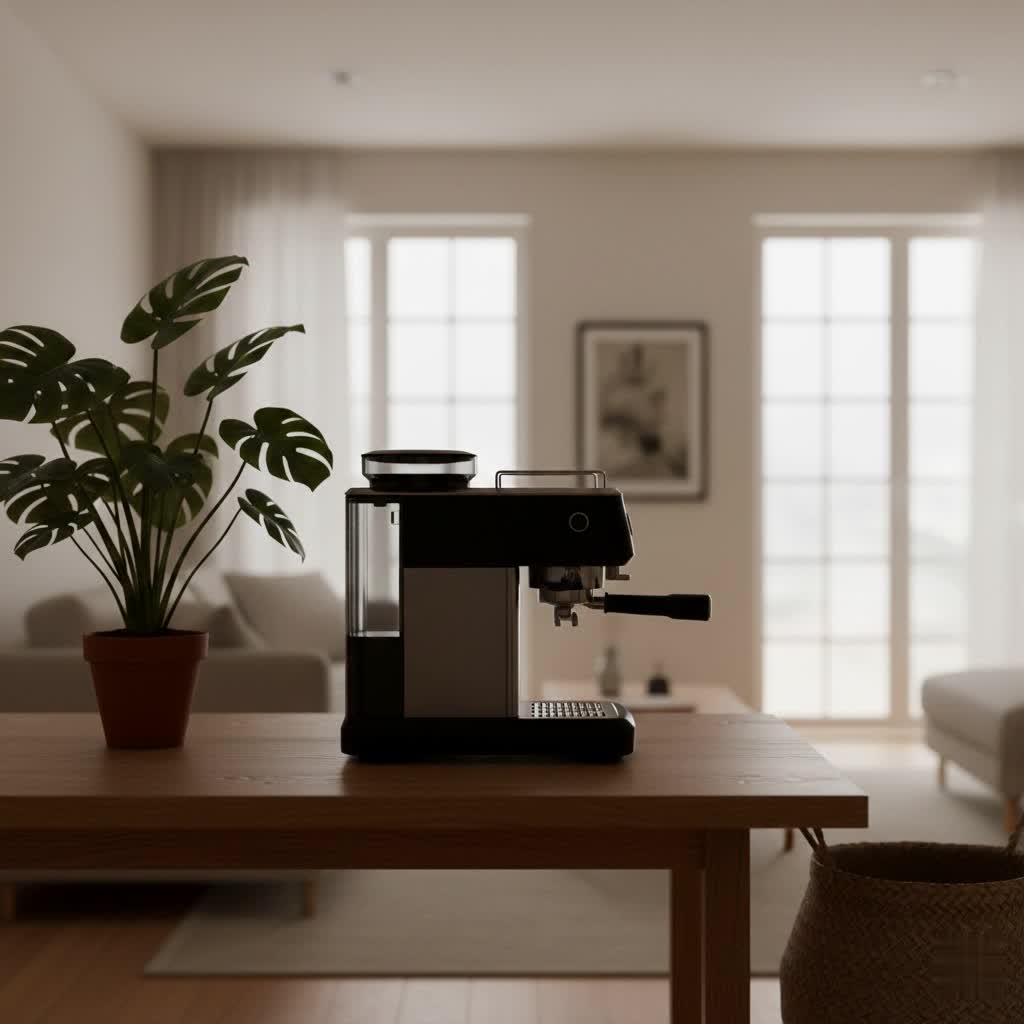
An automatic espresso machine, often referred to as a super-automatic espresso machine, is a marvel of modern coffee technology. It’s designed to automate virtually every step of the espresso-making process, from bean to cup. Unlike traditional semi-automatic machines that require manual grinding, tamping, and frothing, super-automatics integrate these functions into a seamless, push-button operation. This means fresh coffee beans are ground precisely, tamped consistently, and brewed at optimal pressure and temperature, often followed by automatic milk frothing for lattes and cappuccinos. The history of espresso machines dates back to the early 20th century, but the widespread availability of fully automatic models has revolutionized home brewing, bringing café-level quality directly to your countertop. While semi-automatic machines offer more hands-on control, automatic and super-automatic machines prioritize ease of use and consistent results, making them ideal for those seeking speed and convenience without sacrificing taste.
Key Components of an Automatic Espresso Machine
Understanding the core components of an automatic espresso machine helps appreciate its engineering and influences its performance. Each part plays a vital role in crafting your perfect cup.
- Pump: This crucial component generates the high pressure (typically 9 to 15 bars) required to force hot water through the compacted coffee grounds, extracting the rich flavors and oils that define espresso.
- Boiler or Thermo-block: These heating elements bring water to the ideal brewing temperature. A single boiler heats water for both brewing and steaming, while dual boilers or thermo-blocks allow for simultaneous brewing and steaming, offering faster preparation times for milk-based drinks.
- Grinder: Integrated grinders are a hallmark of automatic machines, ensuring your coffee is always made with freshly ground beans. High-quality machines typically feature conical burr grinders, which provide a more consistent grind size than blade grinders, crucial for optimal extraction. Some use ceramic burrs for quieter operation and durability, while steel burrs are common and effective.
- Brew Group: This is where the magic happens—the freshly ground coffee is tamped, and hot water is passed through. Some machines feature a removable brew group, which simplifies thorough cleaning, while others (like many Jura models) have fixed units that rely on automatic cleaning cycles.
- Milk System: A major convenience factor, automatic milk systems vary. Some use a “LatteGo” system (Philips) with an external carafe, others integrate a carafe directly into the machine, and some offer an automatic frothing wand that draws milk from a separate container. These systems heat and froth milk to a perfect texture for cappuccinos, lattes, and other specialty beverages.
- Water Tank, Drip Tray, and Bean Hopper: These user-friendly elements manage the machine’s inputs and outputs. The water tank holds the water for brewing and steaming, the drip tray collects excess liquids, and the bean hopper stores whole coffee beans, feeding them into the grinder as needed.
How to Choose the Right Automatic Espresso Machine
Selecting the perfect automatic espresso machine involves a blend of personal preference, practical needs, and budget. With so many options available, a structured approach can simplify your decision.
Determining Your Needs
|
Our Picks for the Best Espresso Machine in 2026
As an Amazon Associate I earn from qualifying purchases.
|
||
| Num | Product | Action |
|---|---|---|
| 1 | Gevi Commercial Espresso and Coffee Makers, Professional 20 Bar Espresso Maker with Milk Frother, Stainless Steel Expresso Coffee Machines for Home, Compact Cappuccino Machine, Great Gift |

|
| 2 | CASABREWS 3700 Essential Espresso Machine 20 Bar, Stainless Steel Cappuccino & Latte Machine with Steam Frother for Home, 43.9oz Water Tank, Coffee Gift for Women & Men, Silver |
|
| 3 | Breville Bambino Espresso Machine BES450BSS, Brushed Stainless Steel |
|
| 4 | Breville Barista Express Espresso Machine BES870BSXL, Black Sesame |
|
| 5 | De'Longhi Stilosa Manual Espresso Machine, Compact Coffee Maker, 15 Bar Pump Pressure, Manual Milk Frother Steam Wand for Authentic Single & Double Espresso, Lattes & Cappuccinos, Tamper Included |
|
| 6 | CASABREWS CM5418 Espresso Machine 20 Bar, Compact Espresso Maker with Steam Milk Frother, Stainless Steel Coffee Machine with 34oz Removable Water Tank for Cappuccino, Gift for Women or Men, Silver |
|
| 7 | Ninja Luxe Café 3-in-1 Espresso, Drip Coffee and Cold Brew Machine - Integrated Coffee Grinder, Milk Frother, Assisted Tamper & Built-In Espresso Accessory Storage - Stainless Steel - ES601 |
|
| 8 | Breville Barista Express Espresso Machine BES870XL, Brushed Stainless Steel |
|
| 9 | Gaggia Classic Evo Pro - Espresso Machine Jungle Green |
|
| 10 | Breville Barista Express Impress Espresso Machine BES876BSS, Brushed Stainless Steel |
|
Before diving into features, consider how you’ll primarily use the machine. Do you enjoy a daily shot of espresso, or are you a fan of elaborate milk-based drinks like lattes and cappuccinos? Think about the number of people who will use the machine daily and your preferred frequency of use. If you host often, a machine with a larger water tank and bean hopper might be beneficial. Some advanced machines even offer capabilities for iced coffee and true cold brew, catering to diverse tastes.
Budget Considerations
Automatic espresso machines span a wide price range. Entry-level models can start around $300-$500, but often, quality and durability improve significantly with machines in the $800-$1,500 range. High-end machines can exceed $2,000, offering unparalleled customization, premium materials, and additional features. While a higher price often correlates with more features and robust build quality, it doesn’t always guarantee a better tasting espresso. Consider your long-term investment: a well-maintained mid-range machine can deliver exceptional coffee for years.
Important Features
When comparing models, pay close attention to specific features that enhance your coffee experience:
- Pump Pressure: Most machines operate at 9 to 15 bars, which is standard for espresso extraction.
- Boiler Capacity and Temperature Control: Consistent temperature is key for quality espresso. Look for machines with stable heating systems and temperature customization options.
- Customization: The ability to adjust coffee strength, shot volume, water temperature, and even grind size per drink allows you to fine-tune your beverages to perfection.
- One-Touch Convenience: Many super-automatics boast one-touch buttons for various drinks, making morning routines faster and simpler.
- Noise Level: Grinders and pumps can be noisy. Some brands prioritize quieter operation, which can be a significant factor in open-plan living spaces.
- Footprint: Consider your available counter space. Compact models are available if space is a premium.
Reputable Brands
The market features several well-respected brands known for their quality and innovation in automatic espresso machines:
- Jura: A Swiss brand, Jura exclusively produces high-end super-automatic machines renowned for their advanced technology, sleek design, and exceptional coffee quality, often including unique features like cold brew.
- DeLonghi: Offering a wide range from entry-level to premium, DeLonghi machines are known for their versatility, user-friendly interfaces, and good value.
- Gaggia: An Italian brand with a long history in espresso, Gaggia provides reliable machines with a focus on delivering excellent espresso and often good value for money.
- Philips: Known for their user-friendly LatteGo milk systems and intuitive interfaces, Philips machines are popular for their ease of use and maintenance.
- Breville: While some of their “automatic” machines retain a degree of manual control (like the Oracle Touch), Breville offers innovative features for those who appreciate precision with convenience.
- Siemens and Miele: These brands offer premium, feature-rich machines, often with advanced customization and quiet operation.
- KitchenAid and Terra Kaffe: Newer players offering modern designs and unique functionalities, such as Terra Kaffe’s true drip coffee option.
Always check for warranty coverage and the availability of customer support and parts, as these can significantly impact your ownership experience.
Comparing Popular Automatic Espresso Machine Models
To help you navigate the vast landscape of automatic espresso machines, here’s a comparison of some popular and highly-rated models, highlighting their key features and what makes them stand out.
| Model | Price Range | Key Features | Pros | Cons | Best For |
|---|---|---|---|---|---|
| Jura Z10 | $3,000+ | Cold brew, extensive customization, 3D brewing, Professional Aroma Grinder | Exceptional coffee quality, innovative cold brew, premium design | Very high price point, fixed brew group | Connoisseurs seeking ultimate control and diverse beverage options, including cold brew |
| DeLonghi Dinamica Plus | $1,000 – $1,500 | 16 one-touch recipes, LatteCrema system, customizable profiles | Excellent value, consistent milk foam, intuitive touchscreen | Can be noisy during grinding, some plastic components | Users wanting a wide range of specialty drinks with ease and good value |
| Gaggia Magenta Prestige | $600 – $900 | Ceramic burr grinder, 12 drink options, integrated milk carafe | Great espresso quality for the price, robust build, simple maintenance | User interface can feel dated compared to premium models | Budget-conscious buyers prioritizing espresso quality and reliable performance |
| Philips 5500 LatteGo | $800 – $1,200 | LatteGo milk system, 20+ drink options, Quiet Mark certified grinder | Easy to clean milk system, quiet operation, wide drink variety | Milk container capacity might be small for large groups | Families or busy individuals needing fuss-free milk drinks and easy cleaning |
| DeLonghi Eletta Explore | $1,000 – $1,500 | Hot & cold foam, iced coffee, 40+ recipes, To-Go function | Unmatched versatility for hot and cold drinks, excellent milk frothing | Larger footprint, complex menu can be overwhelming initially | Experimenters and those who enjoy a wide variety of coffee and milk beverages, hot and cold |
| Breville Oracle Touch | $2,500 – $3,000 | Auto grind, dose & tamp, auto milk texturing, touchscreen guided brewing | Semi-automatic control with super-automatic convenience, cafe-quality shots | High price, still requires some user interaction for optimal results | Perfectionists who want near-barista quality with smart automation |
| Terra Kaffe TK-02 | $1,500 – $2,000 | True drip coffee, quiet operation, easy-fill water tank | Unique drip coffee option, minimalist design, low maintenance | Limited brand history compared to others, can be loud during brewing | Design-conscious users who value simplicity and the option for true drip coffee |
Using and Maintaining Your Automatic Espresso Machine
Getting the most out of your automatic espresso machine involves understanding both its operation and the necessary maintenance to keep it performing optimally.
Preparation
Proper setup and ingredient selection are fundamental. After unpacking, install your machine according to the manufacturer’s instructions, ensuring it has adequate ventilation and a stable surface. The choice of coffee beans is paramount. While automatic machines handle the grinding, using high-quality, freshly roasted beans (medium to medium-dark roast with consistent size and low oil content is often recommended to prevent grinder clogging) will significantly impact flavor. Always pre-heat your machine by running a plain hot water cycle before brewing; this ensures all internal components are at the correct temperature for optimal extraction.
Brewing Espresso
Most automatic espresso machines simplify the brewing process to a few button presses. For a basic espresso, select your desired strength and volume on the machine’s interface. The machine will then grind the beans, tamp them, and brew your shot. For milk-based drinks, the integrated milk system will typically froth and dispense milk automatically, either directly into your cup or via an external carafe. Experiment with the customizable settings—such as coffee strength, water temperature, and milk texture—to discover your perfect cup. These adjustments allow you to fine-tune your beverages to personal taste.
Machine Cleaning and Maintenance
Regular cleaning is vital for both the longevity of your machine and the quality of your coffee.
- Daily Cleaning: Empty and rinse the drip tray and coffee grounds container daily. If your machine has a removable milk carafe or LatteGo system, dismantle and rinse it after each use to prevent milk residue buildup. Wipe down the exterior of the machine with a damp cloth.
- Regular Cleaning: Most automatic machines have integrated cleaning programs. Follow the manufacturer’s recommendations for descaling, which removes mineral deposits that can affect performance and taste. This usually involves running a specialized descaling solution through the machine every few months, depending on your water hardness. If your machine has a removable brew group, take it out and rinse it thoroughly with lukewarm water at least once a week.
- Cleaning Agents: Always use cleaning tablets, descaling solutions, and milk system cleaners specifically designed for espresso machines, as harsh chemicals can damage internal components.
Common Issues and Troubleshooting
Even the Best Automatic Espresso Machines can encounter occasional hiccups. Here are some common problems and straightforward solutions:
- Machine Not Heating: First, check if the machine is properly plugged in and turned on. Ensure the water tank is filled correctly. If the issue persists, it might indicate a problem with the heating element, which often requires professional service.
- Low Pressure: A common cause for low pressure is an inconsistent grind size or too little coffee. Adjust your grinder to a finer setting, or ensure you’re using fresh beans. Clogged brew groups or scale buildup can also reduce pressure; try a thorough cleaning and descaling cycle.
- Coffee Flows Slowly or Not at All: This typically points to grounds that are too fine, too much coffee in the brew unit, or a clogged filter. Adjust the grind coarser, reduce the coffee dose if possible, or clean the brew group and filter thoroughly.
- Machine is Leaking Water: Check the water tank for proper seating and cracks. Inspect all removable parts, like the drip tray and brew unit, to ensure they are correctly installed. Leaks from internal components may require a technician.
- When to Call a Technician: While many minor issues can be resolved with basic troubleshooting and maintenance, persistent problems, unusual noises, or electrical faults are best handled by a certified repair technician. Attempting complex repairs yourself can void warranties and cause further damage.
Where to Buy Automatic Espresso Machines
Finding the right place to purchase your automatic espresso machine is as important as choosing the machine itself. You have several options, each with its own advantages.
- Specialty Retailers: Stores specializing in coffee equipment, like Seattle Coffee Gear or Whole Latte Love, offer expert advice, a wide selection of brands, and often in-store demonstrations. Their staff can provide personalized recommendations based on your needs and budget.
- Department Stores and Home Appliance Retailers: Larger chains like Crate & Barrel or various appliance stores carry popular automatic espresso machine brands. While the selection might be narrower, you can often find competitive prices and financing options.
- Online Stores: Retailers like Amazon, Wayfair, or the direct websites of brands like Jura, DeLonghi, and Gaggia, offer unparalleled convenience and selection. Shopping online allows you to compare models, read extensive user reviews, and often find exclusive deals. However, ensure you purchase from reputable sellers with clear return policies.
- Refurbished or Used Machines: For budget-conscious buyers, considering a certified refurbished machine from a reputable dealer can offer significant savings. Buying used from private sellers carries higher risks regarding warranty, condition, and potential hidden issues, so proceed with caution.
Detailed Buying Guide: What Else to Consider
Beyond the core features and brand comparisons, a few additional factors can significantly influence your satisfaction with an automatic espresso machine.
Factors Before Purchase
- Kitchen Space: Measure your available counter space, including height clearances, to ensure your chosen machine fits comfortably. Remember to account for space to access the water tank and bean hopper.
- Power Requirements: Most machines operate on standard household current, but it’s always wise to confirm the power specifications to avoid overloading circuits.
- Noise Level: As noted earlier, some machines can be quite loud, especially during grinding. If you live in a small apartment or have early risers/sleepers in your household, a quieter model will be a significant advantage.
Essential Accessories
To complement your automatic espresso machine and ensure a smooth coffee-making experience, consider these accessories:
- Tampers: While fully automatic machines tamp automatically, some hybrid models or those with manual override options might benefit from a high-quality tamper.
- Milk Pitchers: If your machine uses a steam wand for frothing, a stainless steel milk pitcher is essential for creating perfectly textured milk.
- Cleaning Supplies: Stock up on descaling solutions, cleaning tablets, and milk system cleaner appropriate for your machine’s brand to maintain hygiene and performance.
- Microfiber Cloths: Ideal for wiping down the machine and steam wand, keeping it pristine.
- Quality Coffee Beans: Investing in fresh, high-quality whole beans is perhaps the most crucial “accessory” for exceptional coffee.
Reading Reviews and Comparing Prices
Before making a final decision, take the time to read user reviews from multiple sources. Pay attention to common praise and complaints, particularly regarding reliability, maintenance, and the quality of specific drinks. Sites like Good Housekeeping, Coffeeness, and dedicated coffee forums often provide in-depth, unbiased assessments. Finally, compare prices across different retailers, both online and in physical stores, to ensure you’re getting the best possible deal. Keep an eye out for sales events, especially during holiday seasons.
> “The true test of any espresso machine isn’t just its features, but its ability to consistently deliver a delicious cup with minimal fuss. That’s where a great automatic machine shines.” – John Smith, Master Espresso Technician
Conclusion
Choosing the best automatic espresso machine can feel daunting, but by focusing on your needs, understanding key features, and considering reputable brands, you can find a device that perfectly suits your lifestyle. These machines offer unparalleled convenience, transforming your daily coffee ritual into an effortless luxury. From the meticulous grind to the perfect milk froth, an automatic espresso machine empowers you to enjoy café-quality beverages at home, every single day. The investment is well worth it for the consistent quality and convenience it brings. What kind of coffee dreams will your new automatic espresso machine bring to life?
Frequently Asked Questions
What is the difference between an automatic and super-automatic espresso machine?
The terms “automatic” and “super-automatic” are often used interchangeably. However, “super-automatic” typically implies a machine that handles virtually every step—grinding, tamping, brewing, and often milk frothing—with minimal user intervention, usually just a button press. Basic “automatic” machines might still require some manual steps, like moving a portafilter, but generally automate the brewing process itself.
How often should I descale my automatic espresso machine?
The frequency of descaling depends on your water hardness and how often you use the machine. Most manufacturers recommend descaling every 2-3 months, or when the machine’s indicator light prompts you. Using filtered water can help extend the time between descaling cycles, but regular maintenance is crucial for longevity and taste.
Can I use any coffee beans in my automatic espresso machine?
While you technically can use most coffee beans, it’s highly recommended to use medium to medium-dark roast whole beans that are not overly oily. Very dark or oily roasts can clog the grinder over time, leading to maintenance issues and affecting performance. Freshly roasted beans always yield the best flavor.
Are automatic espresso machines worth the investment?
For many, yes. The convenience of one-touch brewing, consistent quality, and the ability to make a wide variety of coffee shop-style drinks at home often justify the initial cost. When considering the cumulative expense of daily cafe visits, an automatic espresso machine can pay for itself over time, while providing the luxury of gourmet coffee whenever you desire.
How do automatic milk frothers work?
Automatic milk frothers on espresso machines typically work by drawing milk from a container, heating it with steam, and then aerating it to create a fine, velvety microfoam. Different systems, like integrated carafes or “LatteGo” technologies, use various methods to achieve this, but the end goal is consistently frothed milk for lattes and cappuccinos.
