Dreaming of rich, aromatic espresso and creamy lattes without the daily café cost? Many believe that exceptional espresso machines come with an exorbitant price tag, making the ritual of home brewing seem out of reach. However, the truth is, enjoying barista-quality coffee at home doesn’t require breaking the bank. This comprehensive guide will navigate you through the world of budget-friendly espresso machines, proving that outstanding performance and delicious results are more accessible than ever. We’ll help you uncover the best value options that deliver surprising quality and performance, transforming your kitchen into a personal coffee haven.
What is an Espresso Machine?
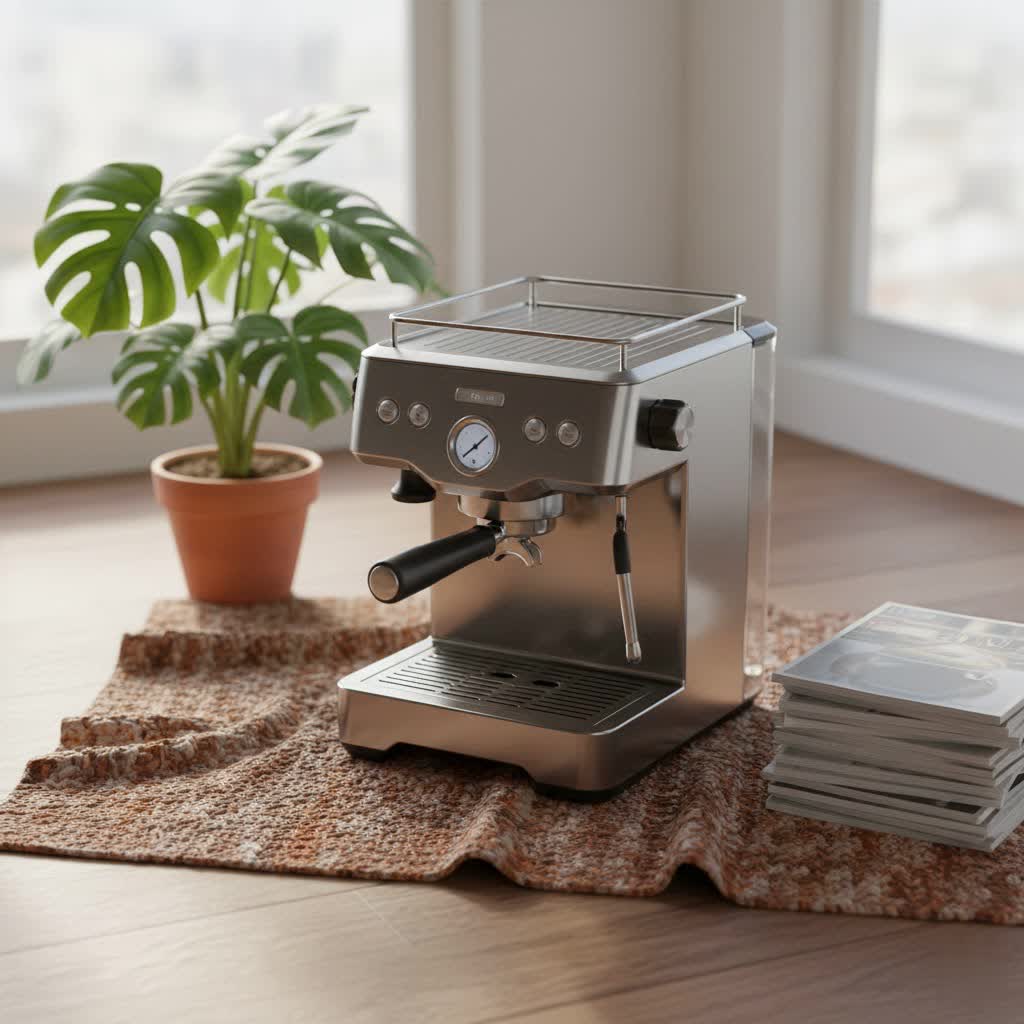
An espresso machine is a specialized coffee maker that forces pressurized hot water through finely ground coffee beans to produce a concentrated, aromatic beverage known as espresso. This brewing method, invented in Italy in the early 20th century, is distinguished by its speed and the rich, creamy layer called “crema” that forms on top of the shot. Over the decades, espresso machines have evolved from complex, steam-driven devices to sophisticated, user-friendly models, making professional-grade coffee achievable even at home.
There are several types of espresso machines, each offering a different level of control and convenience. Manual espresso machines, like lever models, require the user to physically apply pressure for extraction, offering maximum control and a highly engaging brewing experience. Semi-automatic machines handle the pump pressure but allow the user to control the shot duration and milk steaming, striking a balance between automation and hands-on brewing. Automatic espresso machines typically offer pre-programmed shot volumes, stopping the extraction automatically. Lastly, super-automatic machines grind beans, tamp, brew, and even froth milk at the touch of a button, providing ultimate convenience but generally at a higher cost. For those seeking affordability, semi-automatic models often present the best blend of value, performance, and customization.
Essential Components of an Espresso Machine
Understanding the core components of an espresso machine can demystify its operation and help you appreciate the craft of brewing. Each part plays a critical role in transforming simple coffee grounds into a complex shot of espresso. Knowing these elements is particularly useful when evaluating budget machines, as the quality and functionality of these parts directly impact your coffee.
At the heart of any espresso machine are several key components: the pump, responsible for generating the necessary pressure to extract coffee; the boiler or thermoblock, which heats the water to the optimal brewing temperature; the grouphead, where the hot, pressurized water is delivered to the coffee grounds; the portafilter, a handle with a basket that holds the ground coffee; and often, a steam wand for frothing milk. The pump usually delivers around 15 bars of pressure, though only about 9 bars are needed for optimal extraction. Boilers can be made from aluminum or stainless steel, with larger capacities offering more stability for continuous brewing. The portafilter is typically made of metal and can be pressurized (more forgiving for beginners) or non-pressurized (offering more control for experienced users). The steam wand’s material and design impact its ability to create silky microfoam for milk-based drinks.
How to Choose the Best Affordable Espresso Machine
Selecting an affordable espresso machine means striking a balance between cost, features, and performance. With a myriad of options available, a thoughtful approach ensures you find a machine that genuinely meets your needs without unnecessary compromises. Prioritizing what matters most to your daily coffee ritual will guide you to an intelligent purchase.
Determine Your Needs
|
Our Picks for the Best Espresso Machine in 2026
As an Amazon Associate I earn from qualifying purchases.
|
||
| Num | Product | Action |
|---|---|---|
| 1 | Ninja Luxe Café 3-in-1 Espresso, Drip Coffee and Cold Brew Machine - Integrated Coffee Grinder, Milk Frother, Assisted Tamper & Built-In Espresso Accessory Storage - Stainless Steel - ES601 |

|
| 2 | CASABREWS 3700 Essential Espresso Machine 20 Bar, Stainless Steel Cappuccino & Latte Machine with Steam Frother for Home, 43.9oz Water Tank, Coffee Gift for Women & Men, Silver |
|
| 3 | De'Longhi Stilosa Manual Espresso Machine, Compact Coffee Maker, 15 Bar Pump Pressure, Manual Milk Frother Steam Wand for Authentic Single & Double Espresso, Lattes & Cappuccinos, Tamper Included |
|
| 4 | Gaggia Classic Evo Pro - Espresso Machine Jungle Green |
|
| 5 | Breville Barista Express Impress Espresso Machine BES876BSS, Brushed Stainless Steel |
|
| 6 | Breville Barista Express Espresso Machine BES870XL, Brushed Stainless Steel |
|
| 7 | Breville Bambino Espresso Machine BES450BSS, Brushed Stainless Steel |
|
| 8 | Breville Barista Express Espresso Machine BES870BSXL, Black Sesame |
|
| 9 | Gevi Commercial Espresso and Coffee Makers, Professional 20 Bar Espresso Maker with Milk Frother, Stainless Steel Expresso Coffee Machines for Home, Compact Cappuccino Machine, Great Gift |
|
| 10 | CASABREWS CM5418 Espresso Machine 20 Bar, Compact Espresso Maker with Steam Milk Frother, Stainless Steel Coffee Machine with 34oz Removable Water Tank for Cappuccino, Gift for Women or Men, Silver |
|
Before diving into specifications, consider your coffee habits. How often will you use the machine—daily for multiple cups, or just on weekends? The frequency and volume of use will influence the required durability and water tank capacity. Think about the number of people who will regularly use it; a machine for a single user might differ from one for a household of four. Crucially, what kind of coffee do you love? If you’re a purist who enjoys straight espresso, a basic model might suffice. However, if lattes and cappuccinos are your go-to, a machine with a capable steam wand becomes essential.
Budget Considerations
“Affordable” is subjective, but for espresso machines, it generally ranges from under $100 to around $300-$500. Entry-level machines (under $150) often prioritize simplicity and compactness, focusing on basic espresso extraction. Mid-range budget machines ($150-$300) may offer better build quality, more consistent temperature, and improved steaming capabilities. It’s important to consider the long-term value: a slightly higher initial investment might yield a more durable machine that performs better for years. Don’t forget that a good quality grinder is a significant part of a true home espresso setup, often costing as much as the machine itself for optimal results.
Key Features
While affordable machines may not boast every high-end feature, certain aspects are crucial for good espresso. Look for a machine with at least 15 bars of pump pressure; this ensures it can deliver the ideal 9 bars at the grouphead for proper extraction. A decent boiler or thermoblock is vital for consistent water temperature, which directly impacts flavor. Some machines offer basic temperature control, a valuable asset for dialing in your shots. If milk drinks are a priority, evaluate the steam wand’s performance; an adjustable control knob for frothing is a rare but welcome feature at lower price points. Automatic shot stop features can also add convenience, especially for beginners.
Reputable Brands
Even in the affordable segment, certain brands consistently offer reliable options. De’Longhi is frequently praised for models like the Stilosa and Dedica, known for their compact design and solid espresso output. Casabrews and Wirsh offer beginner-friendly machines that deliver consistent results for their price. Hamilton Beach stands out with models that include adjustable milk frothers, a bonus for latte lovers. For those willing to stretch their budget slightly, Breville (e.g., Bambino Plus) offers machines with advanced features like PID temperature control and volumetric shot programming, often found in much more expensive units. Researching warranty and customer support from these brands can also add peace of mind.
Comparison of Popular Affordable Espresso Machines
Choosing from the array of affordable espresso machines can be daunting. To simplify your decision, here’s a comparison of some highly-rated models that offer excellent value, balancing features, performance, and price. This table highlights their key attributes, helping you identify which machine aligns best with your home brewing aspirations.
| Model | Price Range | Type | Key Features | Pros | Cons | Ideal User |
|---|---|---|---|---|---|---|
| De’Longhi Stilosa | ~$80-$100 | Semi-Automatic | 15-bar pump, integrated steam wand, compact design | Great value, simple to use, consistent espresso | Manual shot stop, some plastic components | Beginners, casual users, small kitchens |
| Casabrews 3700 Essential | ~$100-$130 | Semi-Automatic | 15-bar pump, built-in steam wand, quick heat-up | Consistently good espresso, simple interface, compact | Included tamper feels low-quality, needs pre-heating | Beginners, daily users, space-conscious |
| Hamilton Beach Espresso Machine with Steamer | ~$60-$70 | Semi-Automatic | 15-bar pump, adjustable milk frother, uses grounds/pods | Versatile (grounds/pods), adjustable frothing control | Inconsistent water temperature, lighter build quality | Latte/cappuccino lovers, budget-conscious |
| Wirsh Espresso Machine | ~$120-$150 | Semi-Automatic | Automatic brewing stop, steam wand, very narrow | Ultra-compact (5.5″ wide), sleek design, automatic shot | Can rattle during brewing, cups may shift | Very small kitchens, design-focused users |
| Nespresso Vertuo Pop+ | ~$80-$130 | Pod-based | Brews 5 sizes, quick heat-up, compact footprint | Convenient, consistent results, wide drink variety | Not “true” espresso, relies on pods, no steam wand | Convenience seekers, pod users, quick drinks |
| Breville Bambino Plus | ~$400-$500 | Semi-Automatic | 3-second heat-up, automatic milk frothing, PID | Rapid heating, excellent automatic milk texturing, precise | Higher price point, no integrated grinder | Enthusiasts seeking advanced features at a value |
Using and Maintaining Your Affordable Espresso Machine
Even the most affordable espresso machine can produce fantastic coffee if used and maintained correctly. Proper technique and regular cleaning are paramount to ensuring delicious shots and prolonging the life of your appliance. Think of it as a partnership: you provide the care, and your machine rewards you with exceptional espresso.
Preparation
Start with proper machine setup: ensure it’s on a stable, level surface, and the water reservoir is filled with filtered water to prevent mineral buildup. The choice of coffee beans is critical; always opt for fresh, whole beans roasted within the last few weeks. Grinding your beans just before brewing is ideal, as it preserves volatile aromatics. For espresso, a fine grind consistency, resembling powdered sugar, is necessary. Finally, always warm up your machine before brewing. Running a blank shot (water only) through the grouphead and portafilter helps stabilize temperatures and preheats your cup, leading to better extraction and a hotter drink.
Brewing Espresso
Brewing a perfect shot involves several key steps:
- Grind & Dose: Grind enough coffee for your shot (typically 17-22 grams for a double shot) and place it evenly into the portafilter basket.
- Tamp: Use a tamper to press the grounds firmly and evenly. The goal is to create a dense, level puck to ensure uniform water flow, preventing channeling.
- Insert & Brew: Lock the portafilter into the grouphead. Place your preheated cup underneath. Initiate the brew cycle. For semi-automatic machines, stop the shot manually when the espresso volume and color are ideal (typically 25-30 seconds for a 2 oz shot).
- Observe: A good espresso shot should have a rich, golden-brown crema and flow like warm honey. Adjusting your grind size and tamping pressure are the primary ways to fine-tune your extraction for optimal flavor.
Cleaning Machine
Daily cleaning is essential for hygiene and performance. After each use, knock out the spent coffee puck, rinse the portafilter and basket, and wipe down the grouphead screen. If your machine has a steam wand, purge it immediately after frothing milk and wipe it thoroughly with a damp cloth to prevent milk residue from drying and clogging.
Regular, deeper cleaning includes descaling every 4-6 weeks, depending on your water hardness. Descaling removes mineral buildup from the internal components, ensuring efficient heating and water flow. Most manufacturers provide specific descaling solutions and instructions. Always refer to your machine’s manual for precise cleaning protocols and recommended descaling products to maintain optimal performance and longevity.
Common Issues and Troubleshooting
Even with meticulous care, espresso machines can encounter occasional hiccups. Knowing how to diagnose and address common issues can save you frustration and potentially an expensive service call. Most problems have straightforward solutions that you can handle at home.
- Machine Not Heating Up: This often points to a power issue (check plugs, fuses) or a fault in the heating element. Ensure the machine is properly switched on and allowed sufficient time to preheat. If problems persist, it might require professional service.
- Weak Pressure / No Espresso Flow: The most common culprit is an overly fine grind or excessive tamping, which creates too much resistance. Try a slightly coarser grind and a lighter, more even tamp. A clogged grouphead or shower screen can also restrict flow, so ensure they are clean.
- Espresso Flows Too Slowly or Drips: Similar to weak pressure, this is often due to an overly fine grind or a heavily tamped puck. Adjusting to a slightly coarser grind can usually fix this. Insufficient water in the reservoir can also cause slow flow.
- Espresso Flows Too Fast / Weak, Watery Espresso: This is typically a sign of under-extraction, often caused by a grind that’s too coarse or insufficient coffee dose. Try a finer grind, increase your coffee dose slightly, or tamp more firmly to increase resistance.
- Machine Leaking Water: Check all connections, including the water tank, drip tray, and portafilter seal. A worn-out grouphead gasket can cause leaks around the portafilter during brewing and may need replacement.
For simple issues like grind adjustments or cleaning, self-troubleshooting is highly effective. However, for persistent electrical problems, significant leaks, or mechanical failures, it’s best to consult the manufacturer’s support or a qualified technician. Attempting complex repairs without expertise can void warranties and cause further damage.
Where to Buy Affordable Espresso Machines
Finding the Best Affordable Espresso Machine involves knowing where to look. Both online and physical retailers offer a wide selection, each with its own advantages. Your purchasing decision might depend on your preference for hands-on inspection versus convenience and competitive pricing.
Retailers: Large electronics stores like Best Buy, department stores, and home goods retailers often carry popular budget espresso machine brands. Shopping in person allows you to see the machine’s size, feel its build quality, and ask questions of sales associates. However, physical stores might have a more limited selection and less competitive pricing compared to online options.
Online Stores: E-commerce giants like Amazon, Walmart, and Target, as well as specialized coffee equipment sites, provide the broadest selection and often the most competitive prices. Online shopping offers the convenience of home delivery and easy access to customer reviews, which are invaluable for comparing models. Be sure to check return policies and warranty information when buying online.
Used Machines: Websites like eBay or local classifieds can offer great deals on pre-owned machines. While this can be the most budget-friendly option, it comes with risks, such as unknown maintenance history or potential hidden defects. If considering a used machine, try to inspect it in person, ask for a demonstration, and inquire about its age and usage. Always weigh the cost savings against the potential for unexpected repairs.
Detailed Buying Guide
Purchasing an espresso machine, even an affordable one, is an investment in your daily coffee experience. Beyond just the price tag, several practical factors and essential accessories contribute to a satisfying home barista journey. Taking these aspects into account will lead to a more informed and enjoyable purchase.
Factors to Consider Before Buying
- Power Requirements: Ensure your kitchen counter has suitable outlets for the machine’s power draw.
- Kitchen Space: Measure your counter space accurately. Many affordable machines are designed to be compact, but dimensions vary. Consider vertical clearance for cup placement.
- Noise Level: Espresso machines can be noisy, especially during grinding and brewing. If noise is a concern, look for reviews that specifically mention operating volume.
- Ease of Cleaning: As discussed, cleaning is a regular task. Look for machines with removable water tanks, easily accessible drip trays, and simple steam wand designs to minimize cleaning effort.
Essential Accessories
While some budget machines come with basic accessories, investing in a few key items will significantly enhance your espresso quality and workflow:
- Grinder: This is arguably the most crucial accessory. A high-quality burr grinder (not blade grinder) that can produce a consistent, fine espresso grind is essential. Even an affordable espresso machine will struggle to make good coffee without properly ground beans.
- Tamper: Many entry-level machines include a plastic tamper. Upgrading to a heavier, more ergonomic metal tamper provides better control and more consistent tamping pressure.
- Milk Pitcher: If your machine has a steam wand, a stainless steel milk pitcher is necessary for frothing milk.
- Knock Box: A dedicated container for discarding used coffee pucks makes cleanup tidier and easier.
- Cleaning Cloths & Brushes: Microfiber cloths for wiping the steam wand and a small brush for cleaning the grouphead are indispensable.
Read Reviews and Compare Prices
Before making a final decision, dedicate time to reading independent reviews from various sources. Look for consistent feedback on brew quality, ease of use, durability, and specific quirks of each model. Compare prices across multiple retailers, both online and in physical stores, to find the best deal. Keep an eye out for sales and bundle offers that might include essential accessories.
“Many believe that great espresso is exclusive to high-end machines, but I’ve consistently seen affordable models, especially semi-automatics, deliver surprisingly excellent results if paired with fresh beans and a good grinder.” – Admin of Reviewspri.com, Espresso Machine Technician with 10+ Years Experience
Conclusion
The pursuit of café-quality espresso at home doesn’t have to be an extravagant endeavor. As we’ve explored, the market is rich with best affordable espresso machine options that provide exceptional value, blending capable performance with budget-conscious pricing. From compact, beginner-friendly models to those offering surprising control and features typically found in pricier units, the perfect machine for your needs is within reach. By focusing on your specific requirements, understanding key features, and committing to proper usage and maintenance, you can consistently brew delightful espresso, lattes, and cappuccinos. Embrace the journey of home brewing, knowing that a satisfying cup of coffee is an achievable daily luxury. Which affordable espresso machine will transform your morning routine first?
Frequently Asked Questions
Are affordable espresso machines worth it?
Yes, many affordable espresso machines are absolutely worth it, especially for beginners or those with limited budgets. While they may lack some advanced features of high-end models, many can consistently produce delicious espresso with good crema, particularly when paired with fresh, finely ground coffee. The key is to manage expectations and understand their capabilities.
What is the minimum pressure needed for good espresso?
While many espresso machines advertise 15 or 19 bars of pressure, the optimal pressure for extracting espresso at the grouphead is actually around 9 bars. A 15-bar pump is typically sufficient to achieve this ideal extraction pressure. Higher numbers don’t necessarily equate to better espresso, as the machine’s internal mechanics regulate the pressure delivered to the coffee puck.
Do I need a special grinder for an affordable espresso machine?
Yes, a good quality burr grinder is crucial for any espresso machine, including affordable ones. The grind consistency for espresso needs to be very fine and uniform to allow proper extraction. A cheap blade grinder will produce inconsistent grounds, leading to weak or bitter espresso, regardless of how good your machine is. Investing in an espresso-capable burr grinder is often recommended as equally important as the machine itself.
