Embarking on the journey to find your ideal coffee machine can feel overwhelming with the myriad of options available. Are you a minimalist who craves a simple, robust cup, or a connoisseur who dreams of crafting intricate latte art at home? Understanding the fundamental differences and unique capabilities of coffee makers and espresso machines is the first step to elevating your daily ritual. This comprehensive guide, informed by over a decade of expertise in espresso machine mechanics and coffee culture, will cut through the jargon, helping you pinpoint the perfect brewing companion for your lifestyle and taste preferences. We’ll delve into everything from brewing methods and essential components to detailed buying advice and maintenance tips, ensuring you make an informed decision that brings you joy, cup after exquisite cup.
What Are Coffee Makers and Espresso Machines?
At their core, both coffee makers and espresso machines are designed to extract flavor from ground coffee beans, but they achieve this through distinctly different methods, resulting in vastly different beverages. A coffee maker, most commonly a drip coffee machine, works by heating water and then slowly dripping it over a bed of coarser coffee grounds held in a filter. Gravity pulls the water through the grounds, yielding a larger volume of milder, less concentrated coffee. Historically, early coffee-making methods involved simply steeping grounds in hot water, evolving over centuries into the various drip, pour-over, and press systems we see today.
An espresso machine, on the other hand, is a marvel of engineering that uses high pressure to force nearly boiling water through a finely packed puck of coffee grounds in a matter of seconds. This rapid, high-pressure extraction produces a small, concentrated shot of espresso, characterized by its intense flavor, thick consistency, and a distinctive layer of reddish-brown foam called “crema.” The origins of espresso machines trace back to Italy in the early 20th century, driven by the desire for faster coffee preparation in bustling cafes.
The world of coffee makers extends beyond drip machines to include various brewing methods like the French press, which steeps grounds for a full-bodied cup; pour-over setups, prized for their clean and nuanced flavors; Moka pots, offering a strong, espresso-like stovetop brew; and capsule machines, celebrated for their convenience. Espresso machines also come in a spectrum of types, from basic manual lever machines requiring significant user skill, to semi-automatic models offering more control, to fully automatic and super-automatic machines that handle everything from grinding to steaming milk at the touch of a button.
Essential Components of an Espresso Machine
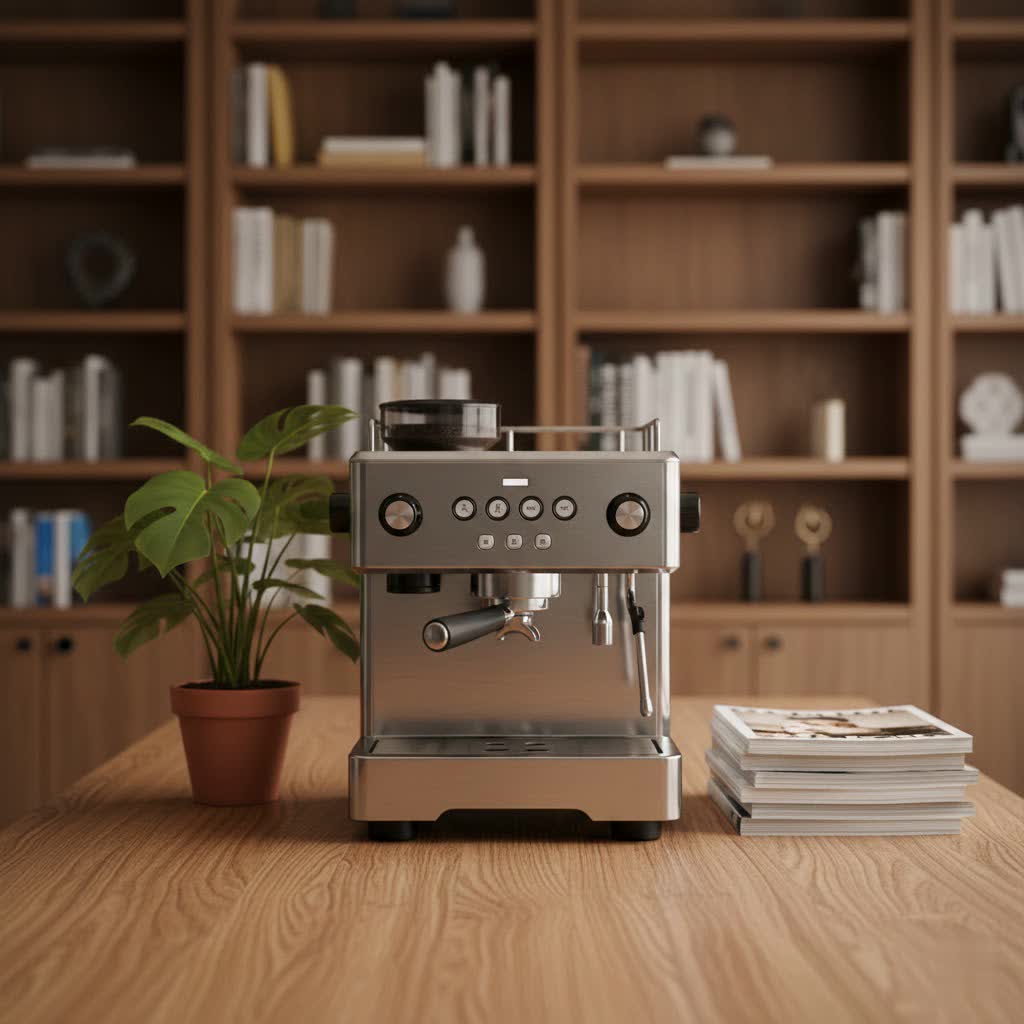
Understanding the internal workings of an espresso machine demystifies its operation and helps in appreciating the craft behind each shot. While specific designs vary, several core components are fundamental to nearly all espresso machines:
- The Pump: This is the heart of the machine, responsible for generating the 9 bars of pressure (or more) required to force water through the finely ground coffee. Rotary and vibratory pumps are the two main types, with rotary pumps typically found in higher-end, quieter commercial machines, and vibratory pumps common in home models.
- The Boiler (or Thermoblock): This unit heats the water to the optimal brewing temperature, typically between 195-205°F (90-96°C). Single boilers heat water for both brewing and steaming, often requiring a temperature surf. Dual boiler systems or heat exchanger boilers allow for simultaneous brewing and steaming, offering greater temperature stability and convenience.
- The Grouphead: This is where the magic happens—the part of the machine that directly connects to the portafilter and dispenses hot water over the coffee grounds. Groupheads are designed to maintain consistent temperature during extraction, crucial for a balanced shot.
- The Portafilter: A removable handle with a basket that holds the ground coffee. The quality of the portafilter and basket significantly impacts extraction, ensuring even water distribution through the coffee puck. They come in various sizes (e.g., 53mm, 58mm) and types (pressurized for beginners, non-pressurized for advanced users).
- The Steam Wand: Crucial for milk-based beverages, the steam wand uses pressurized steam from the boiler to heat and froth milk. Mastery of the steam wand allows for the creation of microfoam, essential for lattes and cappuccinos.
These components are often crafted from durable materials like stainless steel, brass, and copper, which contribute to the machine’s longevity and heat retention, both vital for consistent, high-quality espresso.
Choosing the Right Coffee Brewing Machine: Espresso vs. Coffee Maker
Deciding between a traditional coffee maker and an espresso machine hinges on a blend of personal preferences, lifestyle, and budget. It’s not about which is inherently “better,” but which is better for you.
Assess Your Coffee Habits and Preferences
|
Our Picks for the Best Espresso Machine in 2026
As an Amazon Associate I earn from qualifying purchases.
|
||
| Num | Product | Action |
|---|---|---|
| 1 | Breville Barista Express Espresso Machine BES870XL, Brushed Stainless Steel |

|
| 2 | Gevi Commercial Espresso and Coffee Makers, Professional 20 Bar Espresso Maker with Milk Frother, Stainless Steel Expresso Coffee Machines for Home, Compact Cappuccino Machine, Great Gift |
|
| 3 | CASABREWS 3700 Essential Espresso Machine 20 Bar, Stainless Steel Cappuccino & Latte Machine with Steam Frother for Home, 43.9oz Water Tank, Coffee Gift for Women & Men, Silver |
|
| 4 | De'Longhi Stilosa Manual Espresso Machine, Compact Coffee Maker, 15 Bar Pump Pressure, Manual Milk Frother Steam Wand for Authentic Single & Double Espresso, Lattes & Cappuccinos, Tamper Included |
|
| 5 | Gaggia Classic Evo Pro - Espresso Machine Jungle Green |
|
| 6 | Ninja Luxe Café 3-in-1 Espresso, Drip Coffee and Cold Brew Machine - Integrated Coffee Grinder, Milk Frother, Assisted Tamper & Built-In Espresso Accessory Storage - Stainless Steel - ES601 |
|
| 7 | CASABREWS CM5418 Espresso Machine 20 Bar, Compact Espresso Maker with Steam Milk Frother, Stainless Steel Coffee Machine with 34oz Removable Water Tank for Cappuccino, Gift for Women or Men, Silver |
|
| 8 | Breville Bambino Espresso Machine BES450BSS, Brushed Stainless Steel |
|
| 9 | Breville Barista Express Impress Espresso Machine BES876BSS, Brushed Stainless Steel |
|
| 10 | Breville Barista Express Espresso Machine BES870BSXL, Black Sesame |
|
Consider how often you drink coffee and what kind of coffee you truly enjoy. Do you typically brew a large pot to last through the morning, or do you savor a single, intense shot? If your daily routine involves a quick, large cup of black coffee or a smooth Americano, a drip coffee maker or a French press might be your best bet, offering convenience and capacity. However, if you crave the bold, rich flavor of espresso, enjoy exploring milk-based drinks like lattes and cappuccinos, or appreciate the ritual of crafting a perfect shot, an espresso machine is a more suitable investment. Also, think about the number of people in your household. A drip machine can easily serve multiple people, while an espresso machine might require more time and effort for successive drinks.
Budget Considerations
The price range for both coffee makers and espresso machines is vast, reflecting their complexity, features, and build quality.
- Entry-Level (Under $200): You can find excellent drip coffee makers, French presses, and Moka pots in this range. For espresso, this segment often includes basic capsule machines or simpler stovetop models.
- Mid-Range ($200-$700): This is where semi-automatic espresso machines begin to shine, offering more control and better build quality, alongside advanced drip machines with programmability and thermal carafes.
- High-End ($700+): This category features prosumer-grade semi-automatic and super-automatic espresso machines with dual boilers, PID temperature control, integrated grinders, and robust construction for barista-level performance and longevity. High-end coffee makers might include automatic pour-over machines or sophisticated bean-to-cup filter coffee systems.
Investing more often translates to better durability, more consistent performance, and advanced features. Evaluate your budget not just for the initial purchase but also for ongoing costs like specialized coffee beans, filters, and maintenance supplies.
Key Features to Look For
Different machines offer a variety of features that can enhance your brewing experience:
- Pressure (for Espresso): Ensure an espresso machine can deliver at least 9 bars of pressure for proper extraction. Some budget models may have lower pressure, affecting shot quality.
- Boiler Capacity and Type: For espresso, a larger boiler or a dual-boiler system offers better temperature stability and allows simultaneous steaming and brewing. Thermoblocks heat up faster but may be less stable.
- Temperature Control: PID (Proportional-Integral-Derivative) temperature control is a crucial feature in espresso machines for maintaining precise water temperature, which directly impacts flavor extraction. Some high-end drip coffee makers also offer temperature control.
- Integrated Grinder: Many espresso machines, particularly super-automatics and some semi-automatics like the Breville Barista Express, come with a built-in burr grinder. This adds convenience but can also impact maintenance and upgrade paths. Separate grinders often offer superior performance and control.
- Automatic Functions: Super-automatic espresso machines offer unparalleled convenience with one-touch brewing, grinding, and milk frothing. Drip coffee makers often feature programmable timers, auto-shutoff, and brew strength settings.
- Milk Frothing Capability: Essential for lattes and cappuccinos, steam wands vary in power and ease of use. Automatic milk frothers simplify the process for beginners.
Reputable Brands
Many brands have established reputations for quality and innovation in the coffee machine market. For espresso machines, Breville, Gaggia, De’Longhi, Rancilio, Miele, and Profitec are frequently recommended for their reliability and performance across various price points. In the realm of coffee makers, brands like Cuisinart, Technivorm Moccamaster, Bonavita, OXO, and Ninja are known for producing high-quality drip machines, while Bodum is synonymous with French presses. Always consider the brand’s warranty and customer support when making your selection.
Comparing Popular Coffee and Espresso Machine Types
To help visualize the differences, here’s a comparison of common coffee and espresso machine types:
| Machine Type | Price Range (Approx.) | Ease of Use | Typical Drink Profile | Maintenance | Skill Level Required |
|---|---|---|---|---|---|
| Drip Coffee Maker | $30 – $300 | Very Easy | Smooth, milder, large volume | Daily filter change, occasional descaling | Beginner |
| French Press | $20 – $100 | Easy | Full-bodied, rich, textured | Daily rinse, occasional deep cleaning | Beginner |
| Pour Over | $20 – $150 | Moderate | Clean, nuanced, aromatic | Daily rinse, careful filter disposal | Intermediate |
| Moka Pot | $25 – $75 | Moderate | Strong, concentrated, espresso-like | Daily rinse, occasional gasket replacement | Beginner/Intermediate |
| Semi-Automatic Espresso Machine | $300 – $1500+ | Intermediate/Advanced | Intense espresso, milk-based drinks | Daily cleaning of grouphead/portafilter, regular descaling | Intermediate/Advanced |
| Super-Automatic Espresso Machine | $700 – $3000+ | Easy | One-touch espresso, milk-based drinks | Regular cleaning cycles, descaling, emptying grounds | Beginner |
This table offers a snapshot, but each type has nuances. For example, a super-automatic espresso machine, while easy to use, might involve more complex cleaning routines than a simple drip coffee maker. Conversely, a semi-automatic espresso machine offers immense control over variables like grind size, dose, and temperature, appealing to those who enjoy hands-on brewing.
Brewing and Maintaining Your Machine
Whether you choose a basic coffee maker or a sophisticated espresso machine, proper usage and diligent maintenance are key to longevity and consistently delicious coffee.
Preparing for a Perfect Brew
Getting your machine ready for brewing involves a few universal principles:
- Install Correctly: Ensure your machine is placed on a stable, level surface, away from water splashes, and plugged into a suitable power outlet.
- Water Quality: Always use filtered water. Tap water can contain minerals that lead to scale buildup, affecting flavor and machine performance.
- Coffee Selection: The right beans are paramount. For drip coffee, a medium-coarse grind is ideal, while espresso demands a very fine, powder-like grind. Freshly roasted and freshly ground beans will always yield the best results.
- Pre-warming: For espresso machines, always allow the machine to fully heat up. This includes the boiler, grouphead, and portafilter. Running a blank shot of hot water through the portafilter before adding coffee helps achieve thermal stability.
Crafting Espresso
Brewing a perfect espresso shot is an art form. Here’s a simplified guide:
- Grind: Grind fresh coffee beans very finely, aiming for a consistency similar to powdered sugar.
- Dose: Fill your portafilter basket with the correct amount of ground coffee (typically 14-21 grams for a double shot).
- Distribute & Tamp: Evenly distribute the grounds, then tamp them firmly and level with consistent pressure. An even puck is crucial for proper extraction.
- Insert & Brew: Lock the portafilter into the grouphead. Place your warmed demitasse cup(s) underneath. Start the pump. Aim for an extraction time of 25-30 seconds, yielding 1.5-2 ounces (30-60 ml) of espresso.
- Observe: Look for a steady, even flow of dark, honey-like liquid, topped with rich crema. Adjust grind size if the shot runs too fast (coarser) or too slow (finer).
Cleaning Your Machine
Regular cleaning prevents clogs, scale buildup, and ensures hygienic operation, preserving the flavor of your coffee.
- Daily Cleaning: For espresso machines, immediately after brewing, “knock out” the used coffee puck and rinse the portafilter and basket. Run a quick flush of water through the grouphead to clear any residual grounds. Wipe down the steam wand immediately after use with a damp cloth to prevent milk residue from drying. For drip coffee makers, discard the used grounds and filter, and wash the carafe and filter basket.
- Weekly Cleaning (or as needed): For espresso machines, perform a backflush with a blind filter and a small amount of espresso machine detergent to clean the grouphead and internal lines. Soak portafilters and baskets in a cleaning solution.
- Monthly/Bi-monthly Descaling: Both coffee makers and espresso machines need descaling to remove mineral buildup from water. Follow your manufacturer’s instructions using a descaling solution appropriate for your machine. This is crucial for performance and longevity, especially in areas with hard water.
- Deep Cleaning: Periodically disassemble and clean removable parts. Refer to your machine’s manual for specific instructions on deeper cleaning procedures.
“A well-maintained machine is the secret ingredient to great coffee. Treat it with care, and it will reward you with perfect brews for years.” – [Your Name/Role], Reviewspri.com Admin & Espresso Technician
Common Issues and Troubleshooting
Even with the best care, machines can encounter hiccups. Here are some common problems and potential solutions:
- Espresso Machine Not Heating: Check the power connection and circuit breaker. If the machine has a power switch, ensure it’s on. A faulty heating element or thermostat might require professional repair.
- Weak Espresso Pressure: This often indicates an issue with the grind being too coarse, an insufficient dose of coffee, or an old/worn pump. Ensure your tamp is firm and even. Descaling may also improve pump performance if scale buildup is present.
- Coffee (Drip/Espresso) Flowing Too Slowly/Clogged: For drip coffee, ensure the filter isn’t clogged or the grounds aren’t too fine. For espresso, a very slow flow usually means the grind is too fine, the dose is too high, or the tamping is too hard. Excessive scale buildup in either machine type can also restrict flow, making descaling essential.
- Machine Leaking Water: Check all connections (water reservoir, grouphead seal, steam wand connections). A worn grouphead gasket or a cracked water tank are common culprits. Depending on the location of the leak, it might be a simple part replacement or indicate a more serious internal issue.
- No Steam from Wand: Ensure the steam boiler is heated to the correct temperature. A clogged steam wand tip is common and can often be cleared with a pin. Descaling might be necessary if internal steam lines are blocked.
For simple issues, refer to your machine’s manual. Many common problems can be resolved with basic adjustments or cleaning. However, for persistent issues or internal component failures, it’s best to consult a certified technician to avoid further damage.
Where to Buy Coffee and Espresso Machines?
Finding the right place to purchase your machine can be as important as choosing the machine itself, impacting price, warranty, and customer support.
- Retail Stores: Large appliance retailers (e.g., Best Buy, Williams Sonoma, Crate & Barrel) offer a hands-on experience, allowing you to see and sometimes test machines. Sales associates can provide advice, and returns are often straightforward.
- Specialty Coffee Stores: Local coffee shops or dedicated espresso machine retailers often have knowledgeable staff who can offer expert advice, demonstrate machines, and provide support. They might also offer training for espresso machines.
- Online Retailers: Major online platforms (Amazon, Walmart, manufacturer websites) typically offer the widest selection and competitive pricing, often with free shipping. Always check seller reviews and the return policy. Be cautious of third-party sellers without strong reputations.
- Refurbished/Used Machines: Buying a refurbished machine from a reputable dealer or a used machine (e.g., via eBay, local marketplaces) can save money. However, this comes with risks, particularly for complex espresso machines. Ensure the seller offers a warranty or allows for thorough inspection. If considering a used espresso machine, look for signs of regular maintenance and ask about its service history.
The Ultimate Buying Guide
Beyond the fundamental comparison, several practical factors can influence your satisfaction with a new coffee or espresso machine.
Factors to Consider Before You Buy
- Power Requirements: Check the voltage and wattage. Some high-power espresso machines might require a dedicated circuit.
- Kitchen Space: Measure your counter space, including height under cabinets. Espresso machines, especially those with integrated grinders or external water reservoirs, can be quite tall and deep.
- Noise Level: Espresso machine grinders and pumps can be noisy. If quiet operation is important, research models specifically designed for lower noise levels. Super-automatic machines tend to be louder during grinding and brewing.
- Cleaning Process: Consider the time and effort you’re willing to dedicate to cleaning. Super-automatic machines often have automated cleaning cycles but still require regular emptying of drip trays and grounds containers. Manual machines are simpler in design but require hands-on cleaning.
Essential Accessories
To get the most out of your brewing experience, especially with espresso, you’ll need a few key accessories:
- Grinder: For espresso, a high-quality burr grinder (conical or flat burr) is essential for consistent particle size, which is critical for proper extraction. Blade grinders are not suitable for espresso.
- Tamper: A good tamper provides the necessary pressure to compress coffee grounds evenly in the portafilter.
- Milk Frothing Pitcher (for Espresso): A stainless steel pitcher is crucial for steaming milk to create microfoam.
- Knock Box: A dedicated container for discarding used espresso pucks makes cleanup easier and protects your portafilter.
- Scale: A precise digital scale (0.1g accuracy) helps measure coffee grounds and espresso yield for consistent results.
- Cleaning Supplies: Brushes, cleaning tablets, descaling solution, and microfiber cloths.
Reading Reviews and Comparing Prices
Before making a final decision, always:
- Read Multiple Reviews: Look for consistent feedback across several reputable review sites and user forums. Pay attention to comments on durability, ease of use, cleaning, and customer service.
- Compare Prices: Check different retailers, both online and in-store, to find the best deals. Prices can fluctuate, especially during sales events. Remember to factor in shipping costs and extended warranty options.
- Watch Video Demos: Seeing a machine in action can provide valuable insights into its operation, noise levels, and overall user experience.
Conclusion
Choosing between a coffee maker and an espresso machine, or even a combination unit, is a personal decision that shapes your daily caffeine ritual. From the robust simplicity of a drip coffee maker to the intricate artistry of a semi-automatic espresso machine, each brewing method offers a unique pathway to enjoying coffee. By carefully considering your preferences, budget, desired features, and commitment to maintenance, you can confidently select a machine that not only meets your practical needs but also ignites your passion for exceptional coffee. Remember, the journey to the perfect cup is as rewarding as the destination itself.
What kind of coffee adventure will you embark on next?
Frequently Asked Questions
Can an espresso machine make regular coffee?
Traditional espresso machines are designed to make concentrated espresso shots. While you can dilute an espresso shot with hot water to create an Americano, which is similar to a regular coffee, an espresso machine cannot brew a large pot of drip coffee. Some hybrid or all-in-one machines do offer both functions.
What is the ideal pressure for an espresso machine?
The industry standard for optimal espresso extraction is around 9 bars of pressure. Many home espresso machines advertise higher pump pressures (e.g., 15 or 20 bars), but this refers to the pump’s maximum capability, not necessarily the pressure applied to the coffee puck, which should ideally be regulated to 9 bars for the best results.
How often should I descale my coffee or espresso machine?
Descaling frequency depends on your water hardness and how often you use your machine. As a general guideline, machines used daily with moderately hard water should be descaled every 1-3 months. Using filtered water can extend the time between descaling cycles. Always follow your machine’s manufacturer recommendations.
Is a built-in grinder better than a separate one?
While convenient, built-in grinders in espresso machines often compromise on grind consistency compared to dedicated stand-alone burr grinders. A separate, high-quality burr grinder offers more precision, better durability, and allows for easier upgrades without replacing the entire machine, leading to superior coffee quality.
What’s the difference between semi-automatic and super-automatic espresso machines?
Semi-automatic machines give you control over grind, dose, tamp, and brew time, appealing to users who enjoy hands-on brewing. Super-automatic machines automate most or all steps, including grinding, tamping, and often milk frothing, making them ideal for convenience and consistency with minimal effort.
Can I use any coffee beans in my espresso machine?
While you can use any coffee beans, choosing beans specifically roasted for espresso is recommended. Espresso roasts are typically darker and richer, designed to withstand the high-pressure extraction process and produce the intense flavor and crema associated with espresso. The grind size is also crucial and must be very fine.
